الأحجام والأسعار · Sizes & prices
| الحجم · Size | السعر (USD) · Price |
|---|---|
| السعرPrice | $5 |
الأسعار بالدولار الأمريكي، ورسوم الشحن حسب البلد والوزن — راجع سياسة الشحن.
Prices in US dollars; shipping charges depend on country and weight — see the shipping policy.
وصف المنتج
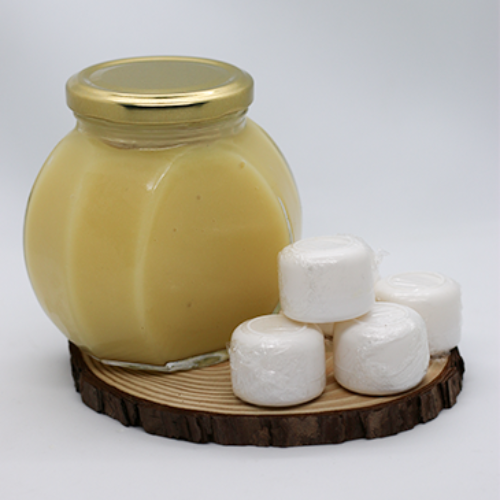
هو مادة هلامية بيضاء مائلة للاصفرار يفرزها صغار النحل من غدد خاصة لتغذية يرقات ملكة النحل. يُسمى غذاء ملكات النحل لأنه يوفر التغذية الكاملة للنمو ويُعتبر أساسيًا لملكة النحل.
فوائد غذاء ملكات النحل العامة
- زيادة سرعة شفاء الجروح وحماية الجلد من الالتهابات
- منع تجاعيد الجلد وتحفيز إنتاج الكولاجين
- مضاد للأكسدة ويساعد في الوقاية من السرطان
- تخفيف أعراض متلازمة ما قبل الدورة الشهرية وتحسين أعراض سن اليأس
- الوقاية من أمراض القلب وتقليل مستويات الكوليسترول
- التحكم في الوزن ومنع السمنة
- توسيع الأوعية الدموية وتقليل ارتفاع ضغط الدم
- تنشيط عمليات الأيض
- تحسين وظائف الكلى ومنع تدهور خلايا الكلى
- علاج التهاب المفاصل بفضل خصائصه المضادة للالتهاب
- تقليل القلق والإجهاد والاكتئاب
- دعم الذاكرة وتحسين القدرات العقلية بفضل الأستيل كولين
- تقوية جهاز المناعة والحفاظ على مستويات السكر في الدم
فوائد غذاء ملكات النحل للرجال
- زيادة إنتاج الحيوانات المنوية وتحسين حركتها، مما يزيد الخصوبة
- زيادة قوة الانتصاب وتحسين مستويات التستوستيرون
- زيادة الرغبة والشهوة الجنسية للرجال والنساء
القيمة الغذائية لغذاء ملكات النحل
- الماء: 50–60%
- البروتينات: 18% (أهمها بروتين الرويالاكتين)
- الكربوهيدرات: 15%
- الدهون: 3–6%
- الأملاح المعدنية: 1.5%
- الفيتامينات: B1، B2، B3، B5، B6، B7، B9، B12، C
- المعادن: كالسيوم، نحاس، حديد، بوتاسيوم، كبريت
- الأحماض الأمينية: 17 نوعًا بما فيها الثمانية الأساسية
- مركبات البوليفينول، الأحماض النووية، الجاما الجلوبيولين
السكريات في الغذاء الملكي
- الجلوكوز والفركتوز (90% من السكريات)
- سكروز، مالتوز، ريبوز، تريهالوز، ميليبيوز، إرلوز
الدهون في الغذاء الملكي
- الأحماض الدهنية: 80–85% (أهمها حمض 10-هيدروكسي-2-ديسينويك)
- المركبات الفينولية: 4–10%
- الشمع: 5–6%
- الستيرويدات: 3–4%
- الفوسفوليبيد: 0.4–0.8%
طريقة الاستخدام
- لا يُؤخذ مباشرة، بل يُخلط مع العسل بحسب الفئة العمرية:
- الأطفال فوق سنتين: 5 جرام لكل كيلو عسل
- الأطفال من 10–15 سنة: 10 جرام لكل كيلو عسل
- الشباب من 15–40 سنة: 30 جرام لكل كيلو عسل (كحد أقصى)
EN
Product details
It is a yellowish-white gelatinous substance secreted by young bees from special glands to nourish the queen bee larvae. It is called royal jelly because it provides complete nutrition for development and is considered essential for the queen bee.
General benefits of royal jelly
- Increase wound healing speed and protect the skin from infections
- Prevent skin wrinkles and stimulate collagen production
- Antioxidant and helps prevent cancer
- Relieves symptoms of premenstrual syndrome and improves symptoms of menopause
- Prevent heart disease and reduce cholesterol levels
- Weight control and obesity prevention
- Dilate blood vessels and reduce high blood pressure
- Activate metabolism
- Improve kidney function and prevent kidney cell deterioration
- Treats arthritis thanks to its anti-inflammatory properties.
- Reduce anxiety, stress, and depression
- Supports memory and improves mental abilities thanks to acetylcholine.
- Strengthening the immune system and maintaining blood sugar levels
Benefits of royal jelly for men
- Increase sperm production and improve sperm motility, which increases fertility
- Increase erection strength and improve testosterone levels
- Increase sexual desire and lust for men and women
Nutritional value of royal jelly
- Water: 50–60%Proteins: 18% (most importantly royalactin)
- Carbohydrates: 151 TP3TFats: 3–6%Mineral salts: 1.5%Vitamins: B1, B2, B3, B5, B6, B7, B9, B12, CMinerals: calcium, copper, iron, potassium, sulfur
- Amino acids: 17 types, including the eight essential ones.
- Polyphenols, nucleic acids, gamma globulin
- Sugars in royal jelly
- Glucose and fructose (90% sugars)
- Sucrose, maltose, ribose, trehalose, melibiose, erlose
- Fats in royal jelly
- Fatty acids: 80–85% (most important 10-hydroxy-2-decenoic acid)
- Phenolic compounds: 4–10%Wax: 5–6%Steroids: 3–4%Phospholipid: 0.4–0.8%How to use
- It is not taken directly, but mixed with honey according to the age group:Children over 2 years: 5 grams per kilogram of honey
- Children 10–15 years: 10 grams per kilogram of honey
- Young people aged 15–40